
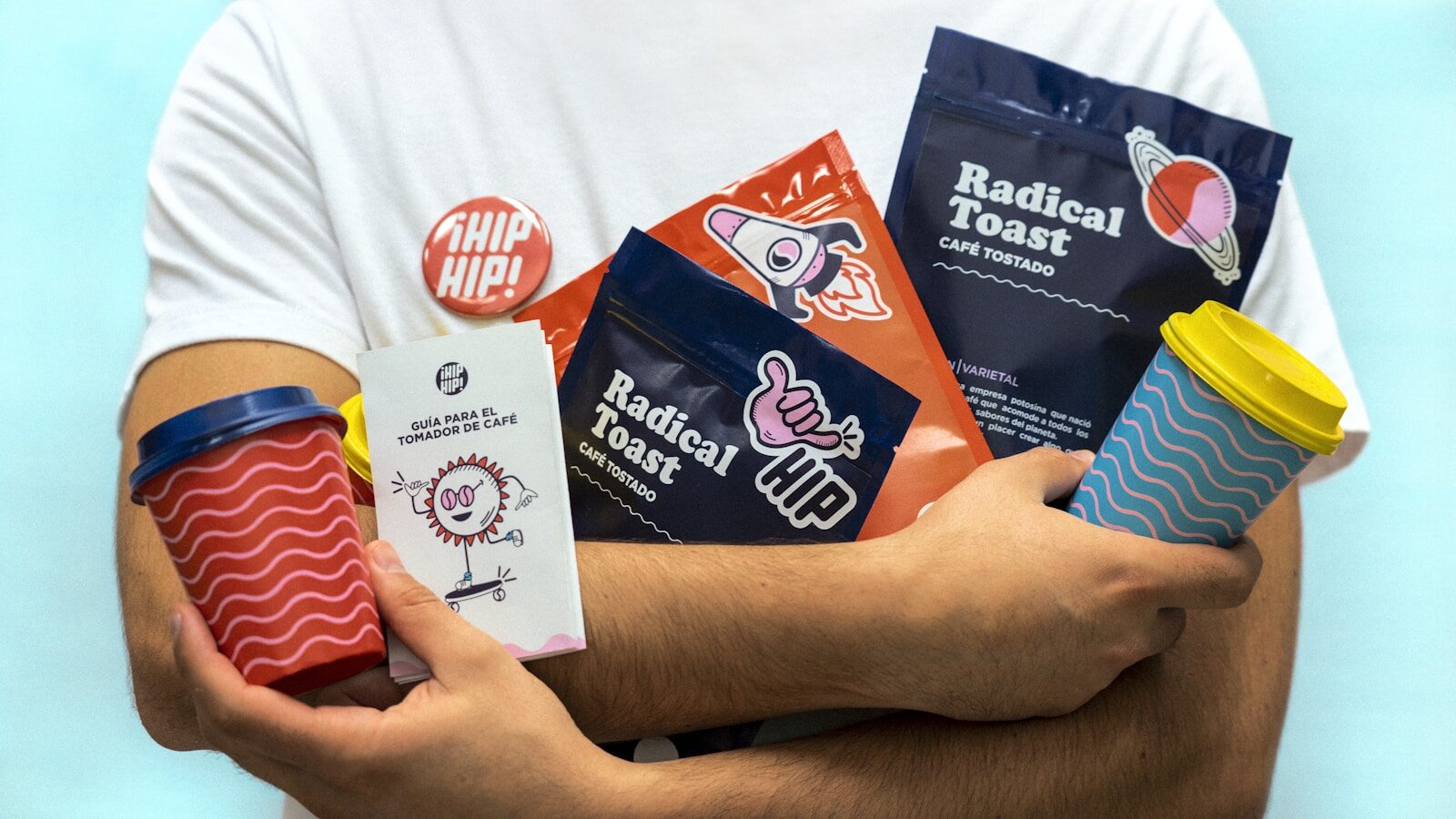
Branding is the strategic process of creating a unique identity and emotional resonance for a product, service or organization. It goes far beyond logos or names to encompass values, personality, messaging and customer experience. Over centuries—from ancient cattle “branding” to digital-age marketing—branding has evolved into a critical asset that drives recognition, loyalty and business value. Core brand components include clear identity, positioning and promise, built on values and personality, expressed through voice and visual design, and delivered consistently across all brand experiences. Key frameworks (Aaker’s Brand Identity System, Keller’s CBBE pyramid, Y&R’s BrandAsset® Valuator, Kapferer’s Identity Prism, Brand Pyramid, Brand Key, etc.) help structure brand strategy and equity assessment. Brands are measured via equity and performance metrics (awareness, preference, loyalty, Net Promoter Score, CLV, etc.) that link brand strength to financial outcomes. Building a brand typically follows a process of research, strategy (positioning, architecture, identity), creative development, activation and governance. Common pitfalls include weak differentiation, inconsistent execution, and failure to legally protect marks (trademarks). This report details all these facets: definitions, history, components, models, metrics, process steps, legal considerations, and examples. It also provides a brand-creation checklist, a one-page brand brief template, and a comparison of major branding models, with authoritative sources cited throughout.
What is Branding? (Definition and Scope)
-
Branding Defined: According to authoritative sources, branding is “the process of creating a unique identity for your business that resonates with your target audience”. It goes beyond a logo or tagline to encompass how people perceive and feel about the business, including its values, personality, and messaging. In other words, branding intentionally shapes the set of associations and emotions attached to a product, company or organization. As Oxford’s Branding: A Very Short Introduction notes, a brand can be seen as “a set of ideas and feelings about a product or other entity… shaped by what that product says and does, and recognized through a distinctive style”. In practice, branding encompasses naming, identity design, tone of voice, customer experience and all touchpoints that convey the brand’s story.
-
Brand vs. Branding: A brand is the collection of perceptions in minds (associations, feelings, reputation), whereas branding is the ongoing strategic work of defining, building and managing that brand identity. For example, Nike is a brand known for empowerment and achievement; “branding” Nike includes all activities (logo design, “Just Do It” slogan, ads) that reinforce that identity. Effective branding turns a business into “more than a product – a trusted friend”, as customers connect emotionally (e.g. Coca-Cola’s red logo creates feelings of happiness; Nike’s “Just Do It” taps into personal achievement).
-
Why Branding Matters: In a crowded market, a strong brand stands out and builds loyalty. Branding “makes you stand out from the crowd” by clarifying why your brand is unique. When customers trust a brand and feel connected, they are willing to pay premiums and buy repeatedly. Studies show strong brands command higher prices (price premium), greater loyalty and resilience against competition. For example, Amazon’s branding around reliability and convenience means customers “know what to expect” on each purchase, which earns trust. Ultimately, branding “guarantees those sales” by nurturing relationships that lead to repeat business and advocacy.
History and Evolution of Branding
Branding traces back millennia, evolving from simple ownership marks to sophisticated strategic assets:
-
Ancient Origins: In the Bronze Age (c.3000 BC), people burned marks on livestock and pottery to denote ownership. The word brand itself comes from Old Norse brandr, “to burn,” referring to livestock branding. Early markets (e.g. Babylon, Egypt) used symbols to guarantee origin and quality (think of potter’s marks or pharaoh seals). These early brand marks (images, symbols) were “tools for identification, trust, and survival” in trade.
-
Pre-Industrial Period: By the Middle Ages and Renaissance, guilds and craftsmen used stamps and signatures. But it was the 19th century Industrial Revolution that revolutionized branding. Mass production created abundant similar products, so companies needed brands to stand out. Governments codified this: in 1875 the U.K. passed trademark laws (the U.S. followed in 1881) so makers could legally protect their brand names and symbols. Coca-Cola (1886) and others emerged as some of the first global brands in this era.
-
20th Century – Advertising & Psychology: With radio (1920s) and TV (first ad in 1941), brands began mass advertising. Post-WWII marketing fostered the field of brand management. Emotional appeals and unique personalities became key (e.g. Marlboro’s cowboy). By late 20th century, iconic logos and characters (Coca-Cola’s script, Michelin Man, etc.) cemented brand identities. Management theorists like David Aaker and Kevin Keller formalized brand strategy frameworks.
-
Digital Age (1990s–Present): The internet and social media transformed branding into an interactive, real-time phenomenon. Brands now engage customers online, use social campaigns (e.g. Coca-Cola’s #ShareaCoke) and rely on user communities. Today’s brands are dynamic narratives delivered through digital experiences. For instance, Warby Parker built a $1.7 billion eyewear brand by promising stylish eyewear and donating a pair for each sold. The timeline below captures key milestones in branding history:
Core Components of a Brand
A strong brand comprises several interlocking elements:
-
Brand Identity: This is the core “who we are” of the brand – its essence and distinguishing characteristics. It includes name, logo, symbols, and all design elements, but also intangible attributes like mission/purpose, values, and personality. Identity determines how the brand wants to be perceived. As one source puts it, brand identity “showcases what makes your brand unique and how you want it to be perceived and experienced,” encompassing roots, name, personality, style, voice, product associations and visual cues. For example, Patagonia’s identity centers on environmental stewardship and rugged adventure (reflected in its outdoorsy visuals and sustainable practices). Key facets of identity include:
- Values: Core principles that guide a brand (e.g. “innovation”, “community,” “sustainability”). Values form the ethical foundation and often drive brand promises.
- Brand Promise/Essence: The promise is the emotional-benefit pledge the brand makes to customers. It distills the brand’s essence or raison d’être. (E.g. FedEx promises “absolutely, positively” on-time delivery.) The promise should align with identity and be consistently delivered.
- Brand Positioning: Defines how the brand differs from competitors in customers’ minds and where it sits in the market. Kotler defines positioning as designing the company’s offering and image “to occupy a distinctive place in the mind of the target market”. A clear positioning statement often includes target segment, frame of reference, key benefit or reason to believe. (See Brand Key or Positioning Statement templates below for structure.)
-
Brand Personality and Voice: Brands often take on human traits to become relatable. Aaker identifies common brand personality dimensions (e.g. sincerity, excitement, competence, sophistication, ruggedness). For example, Harley-Davidson’s personality is rebellious and rugged, whereas Disney’s is family-friendly and magical. Brand voice/tone is how the personality is communicated in language and media (friendly vs. formal, playful vs. authoritative). Voice guides all copy and communications so the brand “sounds” consistent.
-
Visual Identity: This includes the logo, color palette, typography, packaging and any visual design codes. These are the brand’s visual symbols and should be distinctive and consistent. Iconic examples: the bitten apple (Apple), the swoosh (Nike), or the red-and-white script (Coca-Cola). Visual identity reinforces the brand’s values and personality (e.g. green and rustic fonts for an eco-brand). Guidelines (“brand guidelines” or “toolkits”) ensure these elements are used uniformly across materials.
-
Brand Experience: This is the cumulative experience customers have across all touchpoints – product/service use, customer service, advertising, in-store experience, online, etc. Every interaction should reflect the brand’s identity. A brand delivers value through functional performance and emotional impact. For instance, Apple’s brand experience emphasizes sleek design and friendly support to fulfill its promise of simplicity. Measuring and designing customer experience is a critical component of branding.
-
Brand Position & Architecture (Strategic Role): For companies with multiple products or sub-brands, brand architecture defines the relationship among them. A “branded house” (e.g. Virgin, IBM) vs. “house of brands” (e.g. Procter & Gamble). Brand portfolio strategy ensures clarity (e.g. master-brand vs. sub-brand usage). Each brand’s role should align with overall strategy.
Together, these components create a coherent brand system. For example, Starbucks’ brand identity (coffee lifestyle), personality (inclusive, premium), voice (warm, community-oriented), and visuals (green siren logo) consistently convey its promise of a “premium personalized coffee experience”. Box: Some key components and examples:
- Values: (Starbucks: premium quality, community; Coca-Cola: happiness, sharing)
- Promise/Essence: (Volvo: safety; Apple: innovation/simplicity; IKEA: affordable design)
- Personality/Voice: (Harley-Davidson: rebellious/tough; Innocent Drinks: witty/friendly)
- Visuals: (McDonald’s arches, Nike swoosh, WWF panda logo)
- Experience: (Disney parks – magical family experience; Amazon – fast, reliable shopping).
Strategic Branding Frameworks
Several models help marketers structure brand strategy. Table 1 (below) compares six popular frameworks by focus, strengths, weaknesses, and best use. Key examples include:
-
Aaker Brand Identity System (David Aaker): A holistic model that defines brand identity along four perspectives (Brand as Product, Organization, Person, Symbol) and separates core vs. extended identity. It also incorporates the value proposition (functional, emotional, self-expressive benefits) and positioning. Strengths: Comprehensive view of brand DNA, useful for establishing enduring identity pillars. Weakness: Can be complex and broad; best for large firms needing deep identity work. (Umbrex describes it as “the north star for consistent, long-term brand building”.)
-
Keller’s Customer-Based Brand Equity (CBBE) Pyramid: Organizes brand equity into four sequential levels: (1) Brand Identity (salience/awareness), (2) Brand Meaning (performance & imagery), (3) Brand Response (judgments & feelings), (4) Brand Resonance (loyalty and advocacy). Each builds on the last, culminating in resonance where customers are loyal advocates. Strengths: Emphasizes consumer perceptions and relationships; provides a roadmap for brand-building priorities. Weaknesses: Can be idealistic (achieving full “resonance” is difficult) and somewhat abstract to measure directly. Best for consumer-focused brands aiming for strong emotional bonds.
-
BrandAsset Valuator (BAV – Young & Rubicam): Measures brand “health” on four pillars – Differentiation (distinctiveness) and Relevance (fit to consumer) define brand strength, and Esteem and Knowledge define brand stature. This yields a brand PowerGrid (high/low strength vs. stature) and tracks brand life cycle (new, power, eroding, etc.). Strengths: Data-driven, provides a competitive benchmark and diagnostic chart. Weakness: Requires extensive survey data; less a strategy tool than a metric system. Best for large companies tracking equity over time.
-
Brand Pyramid: A hierarchical model (akin to Maslow’s pyramid) that layers brand attributes from functional basics up to emotional benefits and brand essence. For example, the bottom might be core functionality (product features), next rational benefits, then emotional benefits, then brand personality, capped by brand essence. Strengths: Simple visualization aligning team on brand messages; clarifies how each layer supports the brand. Weakness: Vague definitions of layers; many variations exist. Best for internal communication of brand strategy.
-
Brand Key: (Often credited to Unilever/Gillette) A single-page model laying out: Consumer Insight, Brand Essence/Benefit, Reasons to Believe, Brand Values, and Competitive Environment, culminating in the Unique Selling Proposition (USP)/Discriminator. Strengths: Very practical for aligning all elements to a single brand idea. Weakness: Format-specific; less known outside some agencies. Best for product/consumer brands needing a clear positioning storyboard.
-
Kapferer’s Brand Identity Prism: Focuses on six facets of identity: Physique, Personality, Culture, Relationship, Reflection, Self-Image. These cover both external (how brand appears to the world) and internal (brand’s values/culture and customer’s self-image) dimensions. Strengths: Holistic, emphasizes brand culture and user identity. Weakness: Can be abstract to apply; requires interpretation. Best for brands wanting a nuanced view of brand’s social meaning.
Each model has trade-offs. For instance, Aaker’s model is very detailed (strength) but may overwhelm small teams (weakness), whereas the Brand Pyramid is intuitive (strength) but less rigorous (weakness). Table 1 below summarizes these frameworks:
| Framework | Focus / Key Elements | Strengths | Weaknesses | Best Use |
|---|---|---|---|---|
| Aaker (Brand Identity) | 4 perspectives: Brand as Product, Org, Person, Symbol; Core vs. Extended Identity; Value Prop (functional, emotional, self-expressive). | Holistic identity system; builds enduring brand DNA. Guides broad strategy and portfolio. | Complex; may be heavyweight for small projects. | Big, complex brands; rebrands; aligning global teams. |
| Keller (CBBE Pyramid) | 4 levels: Salience (awareness), Performance/Imagery, Judgments/Feelings, Resonance. | Consumer-centric; clear path to loyalty/resonance. Emphasizes perceptions. | Hard to fully achieve; mostly conceptual (resonance). | Consumer brands aiming for deep loyalty and advocacy. |
| BrandAsset Valuator (BAV) | 4 pillars: Differentiation, Relevance (→ brand strength), Esteem, Knowledge (→ brand stature). | Quantitative framework; power grid visual. Benchmarks competitive standing. | Data-intensive; static snapshot. | Large portfolios; tracking equity and brand equity research. |
| Brand Pyramid | Hierarchy: Functional core → Benefits → Personality → Essence. | Simple visual; easy team alignment; shows rationale flow. | Can oversimplify; layers overlap. | Communicating brand strategy internally; small team alignment. |
| Brand Key | USP/Discriminator, Consumer Insight, Benefits, Values, Competition (Unilever tool). | One-page clarity on unique positioning; very action-oriented. | Format-specific, less academic validation. | Fast brand planning in agile teams; product positioning. |
| Kapferer’s Identity Prism | 6 facets: Physique, Personality, Culture, Relationship, Reflection, Self-Image. | Deep look at brand’s external image and internal culture. | Abstract; requires interpretation and qualitative data. | Building brand mythology; consumer goods & lifestyle brands. |
Brand Metrics and Outcomes
To measure branding success, marketers use both equity metrics and performance metrics:
-
Brand Awareness: Measures recognition/recall of the brand name or logo. (Unaided recall surveys, aided recognition tests.)
-
Brand Equity: A composite sense of brand value in the mind of consumer. (E.g. interbrand financial valuations, or survey scales.) According to Aaker, brand equity can be gauged via attributes like price premium, loyalty, perceived quality, leadership/popularity, etc.. Keller’s CBBE argues true equity is when consumers actively seek the brand (resonance).
-
Brand Preference / Choice Share: Percent of target audience who prefer this brand over competitors. (Often measured via consumer surveys or market share as a proxy.) High preference means the brand is winning shopping lists.
-
Brand Loyalty: Measures repeat purchase rates, retention, or loyalty program membership. Net Promoter Score (NPS) is a popular proxy: it asks how likely customers are to recommend the brand. A high NPS correlates with strong loyalty, since promoters fuel organic growth and referrals.
-
Customer Lifetime Value (CLV): The projected net profit from a customer over the entire relationship. CLV links brand strength to revenue: loyal, engaged customers generate higher lifetime spending. Wharton notes CLV is critical because loyal customers cost less to serve and often advocate the brand.
-
Financial Impact: Some firms calculate brand value as an asset (Interbrand, Brand Finance) based on discounted cash flows tied to brand-driven sales. Others track price premium attributable to brand (the extra margin over a generic equivalent). These financial metrics tie brand health to business ROI.
A balanced scorecard approach is best. For example, a tech company might track brand awareness survey scores and NPS as leading indicators, along with tracking how these correlate with market share growth or price premium in key segments. Tools like brand-tracking studies or analytics dashboards help monitor these KPIs over time.
Building and Managing Brands (Process)
Brand development typically follows these stages (an iterative cycle of research, strategy, execution, and governance):
-
Research & Insights: Start with context analysis – market trends, competitors, and customers. Conduct consumer research and segmentation to understand target needs and perceptions. Analyze your organization’s capabilities and values (strengths/weaknesses). This stage grounds the brand promise in reality and uncovers the unique insight that the brand can own.
-
Strategy & Positioning: Define the brand’s essence, vision/mission, and values. Craft a clear positioning statement that specifies target audience, category, key benefit and reason-to-believe (see Brand Key or Positioning Statement formats). Establish brand architecture (master brand vs. sub-brands) if needed. This is where you decide how the brand should be perceived relative to competitors – e.g. “We serve [target] with [benefit] because [reason], unlike [comp].” All strategic elements should reinforce the core identity.
-
Identity Design: Develop the creative identity and messaging. Create the visual identity (logo, colors, typography, design style), verbal identity (name, tagline, key messages) and brand personality guidelines. Define the brand tone of voice and communication style. Ensure cultural and legal clearance of names/logos (trademark search at this stage). Tools like mood boards, design sprints, or brand workshops can align stakeholders. (Umbrex notes that Aaker’s model separates core identity (timeless essence) from extended identity (stories, capabilities) – all should guide design decisions.)
-
Activation & Implementation: Roll out the brand through marketing and organizational channels. Align internal teams via brand training; publish brand guidelines and assets. Launch campaigns that tell the brand story. Create or update brand touchpoints: website, packaging, signage, retail experience, social media, PR. Manage brand experience at every step – e.g., ensure customer service, product quality, and communications all deliver the brand promise. This phase often includes advertising, content strategy, sponsorships, etc., all consistent with identity.
-
Governance & Measurement: Establish brand governance (a brand management function or committee) to maintain consistency and protect the brand. This includes enforcing guidelines, vetting communications, and training employees. Simultaneously, measure brand performance via the metrics above. Conduct brand audits or perception studies periodically. Adjust brand strategies based on feedback and market changes.
-
Review & Refresh: Brands must evolve. At regular intervals, revisit strategy and creative. Be mindful of changes in audience, culture or company mission that may require repositioning or rejuvenation. However, avoid unnecessary rebrands – build on equity. The Branding Journal emphasizes that branding is a continuous cycle of analysis–strategy–execution–measurement–adjustment.
Example process in practice: A startup may begin by researching its niche and user pain points, then define its “why” and target demographic. It crafts a mission statement and visual logo. It tests the logo with focus groups. Then it launches a website and social campaign consistent with the brand voice. After launch, it tracks brand awareness and NPS to gauge customer response, and refines messaging accordingly.
Legal and IP Considerations
Protecting the brand legally is critical. Key points:
-
Trademarks: Register key brand assets (names, logos, slogans, distinctive packaging) as trademarks with the relevant national authorities. First trademark laws date to the late 1800s. A registered trademark gives the owner exclusive rights and legal recourse against imitators. For example, Coca-Cola aggressively enforces its trademark globally. Failing to register can lead to genericide (a brand name becoming generic, e.g. “aspirin”) or infringers free-riding on your equity.
-
Patents and Copyrights: If your brand includes patented technology, trade dress or copyrighted material (e.g. unique product design, website content), protect these too.
-
Legal Pitfalls: Avoid infringing others’ marks (do a clearance search before launching a name/logo). Keep brand claims truthful to prevent fraud or false-advertising issues. Beware diluting a famous mark by confusingly similar branding.
-
Brand Dilution and Genericization: If a brand name becomes a common noun (e.g., “thermos”), it loses trademark protection. Companies vigilantly correct misuse (e.g. Xerox™, Google™ insist on capitalized usage).
In summary, legal/IP governance should accompany brand management to safeguard brand value.
Common Branding Pitfalls
- Lack of differentiation: A generic identity and indistinct positioning fail to engage customers. (E.g., generic slogans or non-unique logos.)
- Inconsistency: Differing messages or visuals across channels (marketing vs. product vs. customer service) weaken trust.
- Overemphasis on logo: Designing a logo without a supporting strategy is pointless. Branding is more than cosmetics.
- Failure to evolve: Brands that never refresh can feel stale; conversely, over-frequent rebranding confuses consumers.
- Ignoring customer experience: A beautiful brand image means little if product quality or service is poor.
- Trivial trademarking: Some businesses operate without registering; they risk losing their name to competitors.
- Cultural missteps: Brands must align with local values in global markets, or offend.
Avoiding these pitfalls requires strategic planning, consistent execution, and ongoing attention to both brand promise and performance.
Case Studies and Examples
-
Coca-Cola (B2C): A classic consumer brand. Its identity (red & white script logo) and values (“happiness, sharing”) drive emotional campaigns. The “Share a Coke” campaign literally printed names on bottles, reinforcing personalization and togetherness. Coca-Cola’s branding built such equity that its logo alone is universally recognized, and the company leverages it across hundreds of products and markets.
-
Nike (B2C): Branded around empowerment and achievement, Nike uses the Swoosh logo and “Just Do It” slogan to symbolize athletic aspiration. This emotional brand positioning (“You can do it”) connects deeply; customers view Nike as a partner in personal goals. Nike’s brand experience—innovative product launches, celebrity endorsements, and community events—constantly reinforces that core identity.
-
Amazon (B2C): Known for convenience and reliability. Its brand promise centers on fast delivery and customer obsession. All touchpoints (from its “A to Z” logo smile to its detailed customer reviews) reinforce trust. The brand’s consistency has made “buy on Amazon” synonymous with hassle-free online shopping.
-
Starbucks (B2C): Starbucks positions itself as a premium, personalized coffeehouse experience. Its green siren logo, cozy café design and friendly service back the brand promise of a “third place” between work and home. Employees are even called “partners,” reflecting the brand’s culture. Customers worldwide recognize the Starbucks brand by sight alone.
-
Warby Parker (DTC B2C): An eyewear startup that disrupted the market by branding on social good and transparency. Its promise: stylish glasses at low cost, plus donating a pair for every pair sold. This mission-driven branding (and witty, approachable voice) resonated with millennial consumers. Warby Parker quickly grew into a $1.7 billion company, demonstrating power of clear positioning and values-led branding.
-
IBM (B2B): (example, no citation) Long ago IBM branded itself as the technology leader “Think” company. In recent years, it repositioned as a cognitive solutions provider (“IBM Watson”), refreshing its brand narrative around AI and hybrid cloud. Its branding emphasizes enterprise trust and innovation.
-
Nonprofit (Red Cross): The Red Cross’s red-cross emblem is instantly recognized worldwide; its brand promise is emergency help and neutrality. Its branding focuses on humanitarian values. (Even nonprofits use brand consistency and trademarks – the Red Cross symbol is legally protected.)
These examples show how powerful branding translates into loyalty and market leadership. They also illustrate core components: for instance, Nike’s personality and promise, Starbucks’s identity and experience, Amazon’s values and loyalty.
Checklist: Steps to Create a Brand
-
Research & Audit: Examine market, competitors, and target audience needs. Identify your organization’s strengths, values, mission, and current perception. (Use surveys, interviews, SWOT analysis.)
-
Define Strategy: Articulate brand purpose/mission and core values. Choose the target audience and devise a positioning statement (target + frame + benefit + reason-to-believe). Establish brand architecture if multiple products/brands.
-
Craft Identity: Create or refine the brand name, tagline, and core messaging. Develop the visual identity (logo, colors, fonts, imagery style) and voice guidelines (tone, personality traits).
-
Develop Assets: Produce brand assets – e.g. logo files, templates, copy guidelines. Ensure legal availability (trademark checks).
-
Alignment: Secure leadership and stakeholder buy-in. Train employees on the brand story and guidelines. Prepare internal launch to make the brand “lived” within the company culture.
-
Launch/Activation: Plan public launch or rollout. Execute marketing communications (advertising, PR, digital campaigns) that tell the brand story. Update all customer touchpoints (website, packaging, signage, social media, etc.) to the new branding.
-
Governance: Establish a brand management process. Publish a brand guidelines document. Assign a brand steward or committee. Set up review processes for new campaigns and materials.
-
Measure: Track brand KPIs (awareness, NPS, social sentiment, etc.) and monitor market feedback. Use analytics to gauge performance.
-
Refine: Based on results, adjust messaging or elements. Refresh creative as needed to stay relevant, while preserving core identity.
-
Protect: File trademarks for logo, name, tagline. Monitor for misuse. Enforce brand standards consistently.
Brand Brief Template
A brand brief is a concise one-page summary used to align internal teams or agencies. Below is a simple template.
| Section | Description |
|---|---|
| Brand Name & Category | Name of brand (and product/service category). |
| Background | Context: company overview, market situation, reason for brief. |
| Target Audience | Key customer segments (demographics, needs, insights). |
| Positioning | For [target], [Brand] is [concept/frame] that [key benefit] because [reason to believe]. |
| Brand Promise/Essence | The core benefit or essence promised to customers (in a few words). |
| Values & Purpose | 3–5 core values or purpose that guide the brand. |
| Personality & Tone | Brand character adjectives (e.g. “innovative, friendly”) and tone of voice (e.g. informal, authoritative). |
| Key Messages/USP | Primary message points or unique selling propositions. |
| Visual Style | Brief on logo style, color scheme, design cues (e.g. minimalistic, colorful, classic). |
| Goals/KPIs | Objectives (e.g. awareness %, sales lift) and how success is measured. |
Use this as a working outline: fill in short statements for each section. It ensures everyone knows who we are (identity), who we serve (audience), and what we promise (positioning, values, messages).
Branding Frameworks Compared
See Table 1 above for a comparison of major branding frameworks. Each has its best-use scenario: for instance, Aaker’s model is ideal when defining a deep brand identity, whereas the Brand Pyramid is useful for quick team alignment on key brand layers. Selecting a framework depends on company needs (academic rigor vs. tactical clarity, B2B vs. B2C focus, etc.).
Recommended Sources (Books, Papers, Bodies)
For further authoritative guidance on branding, consult:
- Textbooks and Seminal Works: Marketing Management (Kotler & Keller), Strategic Brand Management (Kevin Keller, 1998/2013), Building Strong Brands (David Aaker, 1996), Kapferer on Branding (Jean-Noël Kapferer), Brand Management (Scott M. Davis et al.). Aaker’s Managing Brand Equity (1991) and Keller’s CBBE articles/papers are classics.
- Academic Journals: Journal of Marketing, Journal of Brand Management, Harvard Business Review (e.g. Reichheld’s NPS article). Look for papers by Keller, Aaker, Park, and Keller’s MSI report.
- Industry Bodies: American Marketing Association (AMA) definitions (as cited), Chartered Institute of Marketing (CIM) resources, Marketing Science Institute, WIPO/IP offices for trademarks.
- Brand Research Firms: Interbrand, BrandZ (Kantar), Brand Finance reports for brand valuation methods.
- Consulting/Trade Publications: Prophet, McKinsey, Deloitte branding reports. The Branding Journal (Marion Andrivet’s articles on positioning and process) and Umbrex/Prophet blogs (Aaker insights).
- Legal/Trademark: WIPO “Global Brand Database”, USPTO guidelines, to understand brand protection.
- Case Studies: Business case books or articles on brands like Apple, Coca-Cola, Nike, Warby Parker, Unilever brands, etc.
These sources provide foundational theory as well as practical frameworks and case examples to deepen your understanding of branding.