
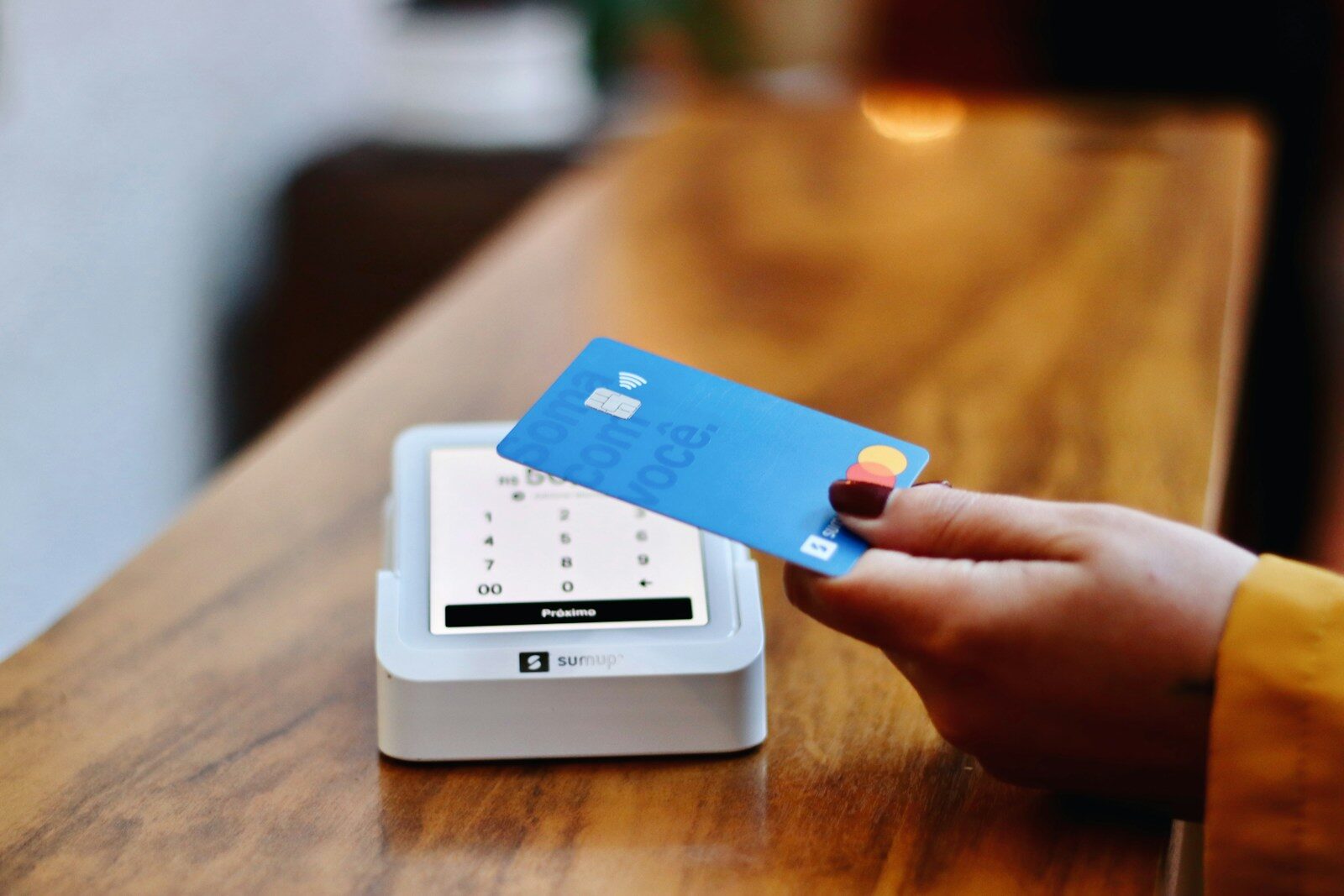
Credit cards can provide valuable rewards, cashback, miles, discounts, travel benefits, and merchant offers. But maximizing those rewards can become surprisingly complicated when you have multiple cards with different reward structures.
One card may offer higher rewards on groceries.
Another may be better for travel.
A third may provide a higher reward rate at selected merchants.
Another card may have limited-time offers or annual benefits that are easy to forget.
This creates a simple but important question:
Is there an AI tool that can help maximize credit card rewards?
The answer is yes.
A growing category of AI-powered and data-driven credit card tools can analyze spending patterns, card benefits, reward categories, merchant offers, and existing cards to help users determine which card may provide the most value for a particular purchase.
Some tools go further by tracking rewards and benefits across multiple cards, while others can recommend cards based on a user’s spending profile.
For example, CardPointers says its AI can recommend which card to use for a specific merchant or purchase based on the cards a user already has and their current bonus categories.
MaxRewards similarly combines rewards tracking, benefits, card-linked offers, spending analysis, and card recommendations in one platform.
For Indian users, newer services are also emerging. MaxRewards.in, for example, says it can analyze a credit-card statement and compare spending against supported cards in rupee terms rather than simply showing points.
This article explains how these AI-powered credit card optimization tools work, the best options to explore in 2026, what they can and cannot do, and how to use them responsibly.
What Is an AI Tool for Maximizing Credit Card Rewards?
An AI credit card rewards tool is software that uses data, rules, algorithms, or artificial intelligence to help users get more value from their credit cards.
Depending on the platform, it may analyze:
- Your existing credit cards
- Spending categories
- Merchant names
- Reward rates
- Bonus categories
- Card-linked offers
- Annual fees
- Welcome bonuses
- Travel benefits
- Cashback opportunities
- Reward balances
- Expiration dates
- Redemption options
The tool can then provide recommendations.
For example:
“Which card should I use for this purchase?”
or:
“Which of my cards gives the highest rewards on groceries?”
or:
“Am I using the wrong card for online shopping?”
Some tools can even recommend a card based on the merchant where you are about to make a purchase.
Pointer AI, for example, says users can add their cards by name and search for stores to receive a recommendation about which card earns the most rewards for that purchase.
Why Is Credit Card Reward Optimization Difficult?
Credit card reward systems are rarely simple.
Consider a hypothetical wallet containing three cards:
| Spending Category | Card A | Card B | Card C |
|---|---|---|---|
| Groceries | 1% | 5% | 2% |
| Dining | 2% | 1% | 4% |
| Travel | 2% | 3% | 5% |
| Online Shopping | 3% | 1% | 2% |
| Other | 1.5% | 2% | 1% |
If you remember only one card, you may unknowingly leave rewards on the table.
The problem becomes even more complicated when cards have:
- Monthly limits
- Quarterly bonus categories
- Merchant-specific offers
- Annual credits
- Different point values
- Transfer partners
- Minimum spending requirements
- Welcome bonuses
- Annual fees
An optimization tool can make these rules easier to manage.
How AI Credit Card Reward Tools Work
The basic process can be represented as:
Your Cards + Your Spending + Reward Rules + Offers → Analysis → Recommendation
Suppose you have five credit cards.
You spend ₹20,000 per month on:
- Groceries
- Fuel
- Dining
- Travel
- Online shopping
An AI or rules-based optimization tool can analyze the reward structure of your cards and determine which card is potentially more rewarding for each category.
The system may also account for:
- Reward caps
- Annual fees
- Existing offers
- Bonus categories
- Merchant-specific rewards
The result can be a personalized recommendation rather than a generic “best credit card” list.
Best AI Tools to Maximize Credit Card Rewards
Several tools currently approach credit card optimization differently.
CardPointers
CardPointers is designed to help users maximize cashback, points, and miles from cards they already have.
Its AI functionality can answer questions such as:
“Which card should I use at Starbucks?”
The company says its AI assistant uses the user’s cards and current bonus categories to provide personalized recommendations.
CardPointers also tracks card-linked offers and benefits.
Its database covers thousands of credit cards and multiple issuers, although availability and supported features vary by country.
What CardPointers Can Help With
Potential uses include:
- Finding the best card for a purchase
- Tracking bonus categories
- Tracking card offers
- Monitoring benefits
- Finding better cards
- Tracking annual fees
- Identifying expiring offers
This makes it particularly useful for users with multiple cards.
MaxRewards
MaxRewards takes a broader approach to credit card management.
Its platform combines:
- Rewards tracking
- Card benefits
- Card-linked offers
- Spending categorization
- Reward optimization
- Card comparisons
- Personalized recommendations
The company says its platform uses structured information covering hundreds of cards and allows users to estimate card value based on their own spending.
One useful feature is the ability to determine the potential value of a card based on your personal spending rather than simply looking at a generic ranking.
For example, a card with a high annual fee might not be valuable to someone who cannot use its credits and benefits.
AwardWallet
AwardWallet focuses heavily on tracking loyalty accounts and rewards.
It supports hundreds of loyalty programs and allows users to track credit cards, airline miles, hotel points, benefits, and travel-related rewards.
AwardWallet also provides reward optimization features.
Its platform can show how many points were earned from transactions and can highlight when another card may have earned more rewards.
The platform also has an AI-powered learning feature that can answer questions about rewards and travel using AwardWallet’s content. The company warns that AI responses may be incomplete or inaccurate and recommends verifying important information.
Pointer AI
Pointer is another emerging AI-powered credit card recommendation tool.
Its core idea is simple:
Tell the tool which cards you have → search the merchant → find the card that earns the most rewards.
Pointer says users do not need to provide bank logins or card numbers; they can add their cards by name.
This can make the tool useful when you are standing at a store or shopping online and want a quick recommendation.
MaxPoints.ai
MaxPoints.ai takes a different approach.
It asks users to provide their monthly spending by category and the cards they already have.
The system then analyzes the spending profile and suggests card combinations intended to maximize rewards, cashback, and points.
This type of tool is useful when you are deciding:
“What combination of cards should I have?”
rather than:
“Which card should I use for this purchase?”
AI Tools for Indian Credit Card Rewards
Credit card reward optimization has historically been heavily focused on the U.S. market because of the complexity of American rewards programs.
But Indian users are increasingly getting specialized tools.
One example is MaxRewards.in.
The platform says users can upload a credit card statement and have their transactions categorized automatically. It then compares supported cards based on how much reward value the spending could generate in rupees.
This is an interesting approach because reward points can be confusing.
For example:
5 points per ₹100
does not automatically mean the card is better than:
2% cashback
The actual value depends on how the points can be redeemed.
Converting potential rewards into monetary value can make comparisons easier.
AI Credit Card Reward Optimization vs Traditional Comparison Websites
Traditional credit card comparison websites generally answer:
“Which cards are available?”
AI optimization tools increasingly answer:
“Which card is best for my spending?”
That distinction matters.
Traditional Comparison
User → Search cards → Compare features → Choose card
AI Optimization
User → Provide spending/card information → Analyze → Personalized recommendation
The second approach can potentially provide more relevant results because the recommendation is based on individual circumstances.
How an AI Tool Can Help You Choose the Right Card
Suppose someone spends:
- ₹15,000 on groceries
- ₹8,000 on dining
- ₹10,000 on travel
- ₹7,000 on online shopping
A card comparison tool may simply show a list of cards.
An optimization tool can potentially calculate:
Monthly spending × applicable reward rate = estimated rewards
Then:
Estimated rewards + usable benefits − annual fee = potential net value
This is a much more useful calculation than simply looking at the advertised reward rate.
Reward Rate Is Not the Same as Reward Value
This is one of the most important concepts in credit card optimization.
Suppose:
Card A: 5 reward points per ₹100
Card B: 2% cashback
You cannot automatically conclude that Card A is better.
You need to know:
- What is one point worth?
- How can points be redeemed?
- Are there redemption fees?
- Are there reward caps?
- Are points transferable?
- Do points expire?
- Is there a minimum redemption amount?
The actual calculation should therefore focus on effective value, not simply the number of points earned.
How AI Can Analyze Your Spending
One of the strongest applications of AI is transaction categorization.
A statement might contain transactions such as:
- Amazon
- Swiggy
- Uber
- Flipkart
- Fuel station
- Hotel
- Airline
- Grocery store
- Subscription
AI can categorize these transactions into broader groups.
For example:
| Transaction | Category |
|---|---|
| Swiggy | Dining/Food delivery |
| Uber | Transportation |
| Amazon | Online shopping |
| Hotel | Travel |
| Grocery store | Groceries |
| Netflix | Subscription |
Once transactions are categorized, the system can compare your spending with different reward structures.
MaxRewards says its platform uses AI to automatically categorize transactions and identify spending trends and reward opportunities.
AI Tools for Finding the Best Card at Checkout
This is one of the most practical applications.
Imagine you are buying something online.
Instead of remembering every card’s reward categories, you can use an AI-powered recommendation tool to determine which card may provide the highest reward.
Pointer, for example, says its system can search merchants and identify the card that earns the most rewards for a purchase.
MaxRewards also provides a browser extension designed to recommend the best card for websites.
This turns reward optimization into a point-of-purchase decision.
AI for Credit Card Offers
Credit card issuers frequently provide merchant-specific offers.
The problem is remembering to activate and use them.
AI tools can help track:
- Merchant offers
- Expiration dates
- Bonus categories
- Annual credits
- Available benefits
CardPointers says its AI can track offers and notify users about expiring opportunities.
MaxRewards similarly provides automatic offer activation and benefit tracking for supported cards and issuers.
AI for Credit Card Welcome Bonuses
Welcome bonuses can sometimes represent a significant portion of a card’s first-year value.
But there is an important catch:
A welcome bonus is only valuable if you can naturally meet the spending requirement without overspending.
An AI tool can help compare:
- Required spending
- Bonus value
- Annual fee
- Normal rewards
- Benefits
- First-year value
- Ongoing value
For example:
| Factor | Card A | Card B |
|---|---|---|
| Annual fee | ₹2,500 | ₹5,000 |
| Welcome bonus | ₹5,000 value | ₹10,000 value |
| Normal rewards | ₹8,000 | ₹9,000 |
| Benefits used | ₹2,000 | ₹1,500 |
| Potential first-year value | ₹12,500 | ₹15,500 |
These figures are illustrative, not recommendations.
The important point is that the welcome bonus should be evaluated together with fees and realistic spending.
AI for Travel Rewards
Travel rewards can become particularly complicated.
A user may have:
- Credit card points
- Airline miles
- Hotel points
- Transfer partners
- Travel credits
- Lounge benefits
- Upgrade certificates
An AI-powered rewards assistant can help organize this information.
AwardWallet, for example, tracks airline, hotel and credit-card loyalty information across hundreds of programs.
For travelers, the question becomes:
“How can I use the rewards I already have?”
rather than simply:
“How many points do I have?”
AI for Cashback Optimization
Cashback optimization is generally simpler than travel-point optimization.
Suppose you have:
- 5% grocery cashback
- 4% dining cashback
- 3% online shopping cashback
- 1% everything else
An AI tool can create a simple spending map.
Example
Groceries → Card A
Dining → Card B
Online shopping → Card C
Everything else → Card D
This can turn a complicated wallet into a simple decision system.
AI for Tracking Annual Credit Card Benefits
Premium cards often include benefits that reset periodically.
These could include:
- Travel credits
- Dining credits
- Subscription credits
- Hotel credits
- Shopping credits
If you forget to use them, part of the annual fee’s potential value may disappear.
Reward-management platforms can track these benefits and send reminders.
MaxRewards, for example, describes benefit tracking and notifications for expiring credits as part of its platform.
AI for Comparing Annual Fees
An expensive credit card is not necessarily a bad card.
The important question is:
Do the rewards and benefits justify the fee for your actual usage?
Consider:
Annual fee = ₹10,000
Potential usable benefits:
₹7,000
Annual rewards:
₹8,000
Potential total value:
₹15,000
Potential net value:
₹15,000 − ₹10,000 = ₹5,000
But if you would not naturally use the ₹7,000 worth of benefits, the calculation changes.
AI tools that calculate personalized card value can help make this distinction clearer.
MaxRewards says its value calculator allows users to enter their own spending and count only the annual credits they would actually use.
How to Use AI to Maximize Credit Card Rewards
A practical workflow can look like this.
Step 1: List Your Existing Cards
Record:
- Card name
- Annual fee
- Reward categories
- Benefits
- Reward caps
- Expiration dates
Step 2: Analyze Your Spending
Group monthly spending into categories.
For example:
- Groceries
- Dining
- Fuel
- Travel
- Online shopping
- Utilities
- Subscriptions
- Other
Step 3: Calculate Effective Rewards
Do not look only at points.
Calculate the actual monetary value of the rewards.
Step 4: Identify the Best Card by Category
Create a simple map.
Groceries → Card A
Travel → Card B
Dining → Card C
Step 5: Track Offers
Activate relevant offers where applicable.
Step 6: Monitor Benefits
Track credits before they expire.
Step 7: Review Your Wallet Periodically
Your spending habits can change.
A card that was useful last year may not be as useful now.
How to Prompt an AI About Credit Card Rewards
If you are using a general AI assistant, provide structured information.
A weak prompt:
“Which credit card is best?”
A better prompt:
“I currently have these credit cards: [list cards]. My average monthly spending is ₹15,000 on groceries, ₹8,000 on dining, ₹10,000 on travel, ₹5,000 on online shopping and ₹7,000 on other expenses. Compare the rewards I could earn with my existing cards. Consider reward caps, annual fees and benefits. Show the calculations and identify any assumptions that need verification.”
This produces a much more useful analysis.
Important: AI Should Not Automatically Make Financial Decisions
Credit card optimization is a financial topic, so AI output should be treated as an analytical aid rather than unquestionable advice.
Before applying for or changing a card, verify:
- Current reward rates
- Fees
- Terms and conditions
- Reward caps
- Exclusions
- Redemption values
- Eligibility
- Interest rates
- Offer expiry dates
Card issuers can change their terms.
Even AwardWallet explicitly warns that AI-generated answers can be inaccurate or incomplete and recommends verifying important information.
Do Not Spend More Just to Earn Rewards
This is arguably the most important rule.
Suppose a card gives you a 5% reward.
If you spend ₹10,000 unnecessarily to earn ₹500 in rewards, you have not created ₹500 of real value.
You have spent ₹10,000 to receive ₹500.
Credit card rewards make the most sense when you use the card for purchases you would make anyway and pay the balance according to the card’s terms.
AI Credit Card Optimization for Beginners
If you are new to rewards, keep the system simple.
Start with:
One Primary Card
Use it for most purchases.
One Category Card
Use another card only when it clearly provides better rewards for a major spending category.
One Tracking System
Use an app or spreadsheet to track:
- Rewards
- Benefits
- Annual fee
- Offers
Once the system becomes easy to manage, you can consider a more complicated strategy.
AI Credit Card Optimization for Advanced Users
Experienced rewards users may want to track:
- Multiple cards
- Bonus categories
- Transfer partners
- Annual credits
- Merchant offers
- Welcome bonuses
- Reward caps
- Redemption values
- Renewal dates
This is where dedicated platforms such as CardPointers, MaxRewards and AwardWallet become more useful.
CardPointers currently offers AI access through ChatGPT, Claude and other compatible AI systems for questions about cards and offers.
AI Credit Card Reward Tools Comparison
| Tool | Main Strength | Useful For |
|---|---|---|
| CardPointers | Card recommendations and offers | Choosing cards for purchases |
| MaxRewards | Complete card management | Rewards, benefits and offers |
| AwardWallet | Loyalty tracking | Cards, airlines and hotels |
| Pointer AI | Merchant-specific recommendations | Finding the right card at checkout |
| MaxPoints.ai | Spending-based optimization | Choosing card combinations |
| MaxRewards.in | India-focused analysis | Comparing cards using spending statements |
The availability of cards, issuers, offers and features varies by country, so users should verify that a tool supports their market before relying on it.
AI Tools for Credit Card Rewards in India
For Indian users, the market is different from the U.S.
Popular Indian cards can have their own:
- Reward-point structures
- Redemption rules
- Milestone benefits
- Lounge policies
- Merchant partnerships
- Monthly or annual limits
Therefore, a tool built specifically for Indian cards may be more useful than a U.S.-focused rewards optimizer.
MaxRewards.in currently advertises support for Indian credit-card statements and says it compares 35 cards using rupee-based reward calculations.
This is especially useful because Indian reward programs can have substantially different redemption values across cards.
Privacy and Security When Using AI Credit Card Tools
This deserves serious attention.
Never assume that every rewards application handles financial data in exactly the same way.
Before connecting accounts or uploading statements, check:
- What information is collected?
- Is the data stored?
- Is it encrypted?
- Is it shared with third parties?
- Can you delete your data?
- Does the service require bank credentials?
- Does it support read-only access?
- What happens when you close your account?
Some tools deliberately avoid requiring bank logins.
Pointer, for example, says users add cards by name and that it does not require bank logins.
MaxRewards.in states that uploaded statements are deleted after analysis.
These are examples of product-specific claims; users should still review the current privacy policy and terms before uploading financial information.
AI Credit Card Tools vs Spreadsheets
You can also optimize rewards manually.
A spreadsheet might contain:
| Category | Monthly Spend | Card | Reward Rate | Estimated Reward |
|---|---|---|---|---|
| Groceries | ₹15,000 | Card A | 5% | ₹750 |
| Dining | ₹8,000 | Card B | 4% | ₹320 |
| Travel | ₹10,000 | Card C | 5% | ₹500 |
| Shopping | ₹5,000 | Card A | 3% | ₹150 |
The problem is maintenance.
Reward rates change.
Offers expire.
New cards launch.
Spending patterns change.
AI-powered platforms can automate parts of this tracking process.
Benefits of AI Credit Card Reward Tools
Personalized Recommendations
Recommendations can be based on your existing wallet rather than generic rankings.
Faster Decisions
You can quickly determine which card may be appropriate for a purchase.
Better Reward Tracking
You can monitor points, cashback and miles across multiple cards.
Offer Management
Some platforms can help track or activate available offers.
Spending Analysis
AI can categorize spending and identify patterns.
Benefit Tracking
You can monitor annual credits and other card benefits.
Card Comparison
Some tools can calculate potential card value based on your spending.
Limitations of AI Credit Card Optimization
Reward Data Can Change
A tool may not immediately reflect every issuer change.
Not Every Card Is Supported
Coverage varies by country and issuer.
AI Can Make Mistakes
Natural-language answers should be verified.
Point Value Can Be Subjective
A travel enthusiast may value points differently from someone who prefers cashback.
Recommendations Can Depend on Your Inputs
Incorrect spending information can produce poor recommendations.
Financial Decisions Require Judgment
An AI tool cannot know every aspect of your personal financial situation.
Frequently Asked Questions
Is there an AI tool that tells you which credit card to use?
Yes. CardPointers and Pointer AI are examples of tools designed to recommend which card to use for particular purchases based on available reward structures and the cards you already have.
What AI tool maximizes credit card rewards?
There is no single tool that maximizes rewards for every person. CardPointers focuses on personalized card recommendations and offers, MaxRewards combines rewards management with benefits and spending analysis, and MaxPoints.ai analyzes spending patterns to suggest card combinations.
Can AI analyze my credit card spending?
Yes. Some platforms can categorize transactions and analyze spending patterns. MaxRewards says its platform automatically categorizes transactions and identifies reward opportunities.
Is there an AI credit card rewards tool for India?
Yes. MaxRewards.in currently offers an India-focused service that analyzes uploaded credit-card statements and compares supported cards based on estimated reward value in rupees.
Can AI tell me which card to use at a specific store?
Yes. Pointer AI says users can search merchants and receive recommendations about which card earns the most rewards for that purchase. CardPointers offers a similar AI-based recommendation capability.
Can AI track credit card benefits?
Yes. Platforms such as MaxRewards and CardPointers offer features for tracking card benefits, credits and offers.
Can AI help maximize travel points?
Yes. AI-powered reward tools can help organize credit-card points, airline miles and hotel rewards. AwardWallet, for example, supports tracking across hundreds of loyalty programs.
Should I get a new credit card because an AI tool recommends it?
Not automatically. A recommendation should be evaluated against your actual spending, annual fees, eligibility, reward terms, benefits, and ability to pay the balance responsibly.
Can credit card rewards make purchases free?
Rewards can reduce the effective cost of eligible purchases, but they do not make unnecessary spending financially beneficial. The safest approach is to use rewards cards for planned purchases and avoid increasing spending simply to earn rewards.
Conclusion
AI is making credit card reward optimization much easier than maintaining complicated spreadsheets and memorizing dozens of reward categories.
Modern tools can help with:
Spending analysis → Card recommendations → Reward tracking → Offer activation → Benefit tracking → Points optimization
Tools such as CardPointers, MaxRewards, AwardWallet, Pointer AI and MaxPoints.ai approach the problem from different directions, while India-focused services such as MaxRewards.in are beginning to bring similar optimization concepts to the Indian credit-card market.
The biggest benefit of these tools is not simply earning more points.
It is reducing the mental effort required to remember which card, which offer, which category and which benefit applies to each purchase.
But the smartest rewards strategy remains straightforward:
Use the right card for spending you were already going to do, understand the real value of the rewards, and never spend more simply to earn points.
AI can help you optimize the numbers.
You still make the financial decision.